Must Visit Hawker Centers in Singapore
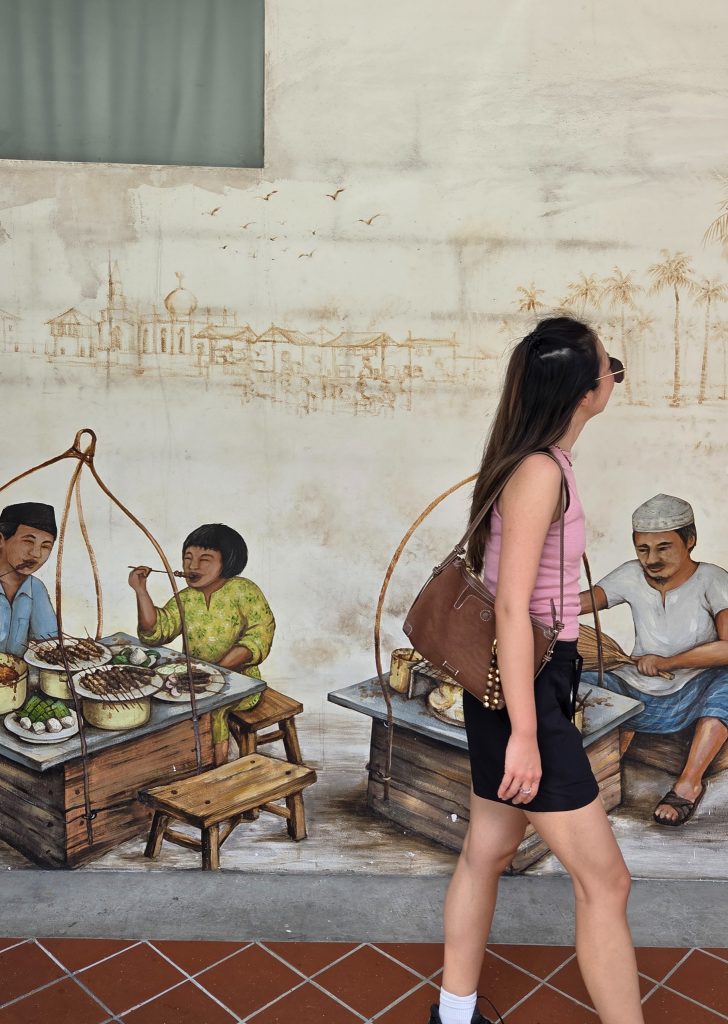
During our visit to Singapore, we quickly learned that hawker centres aren’t just a place to grab a cheap meal – they’re where the city eats, socializes, and slows down, even if just for lunch. After visiting numerous hawker centres in Singapore, I’ll be sharing the three must visit hawker centers around the city! Visiting these delicious spots gave us a surprisingly complete picture of Singapore’s food culture in just a few days.
Where to go after Singapore? What about 3 days in Ubud, Bali or experience elephants in wilderness in Chiang Mai?
1. Chinatown Complex Food Centre
Location – Chinatown Complex was the easiest hawker center in Singapore to reach, as it’s steps away from the Chinatown MRT. After wandering the surrounding streets and shops, it felt natural to duck inside from the humidity for a meal without changing plans or routes.
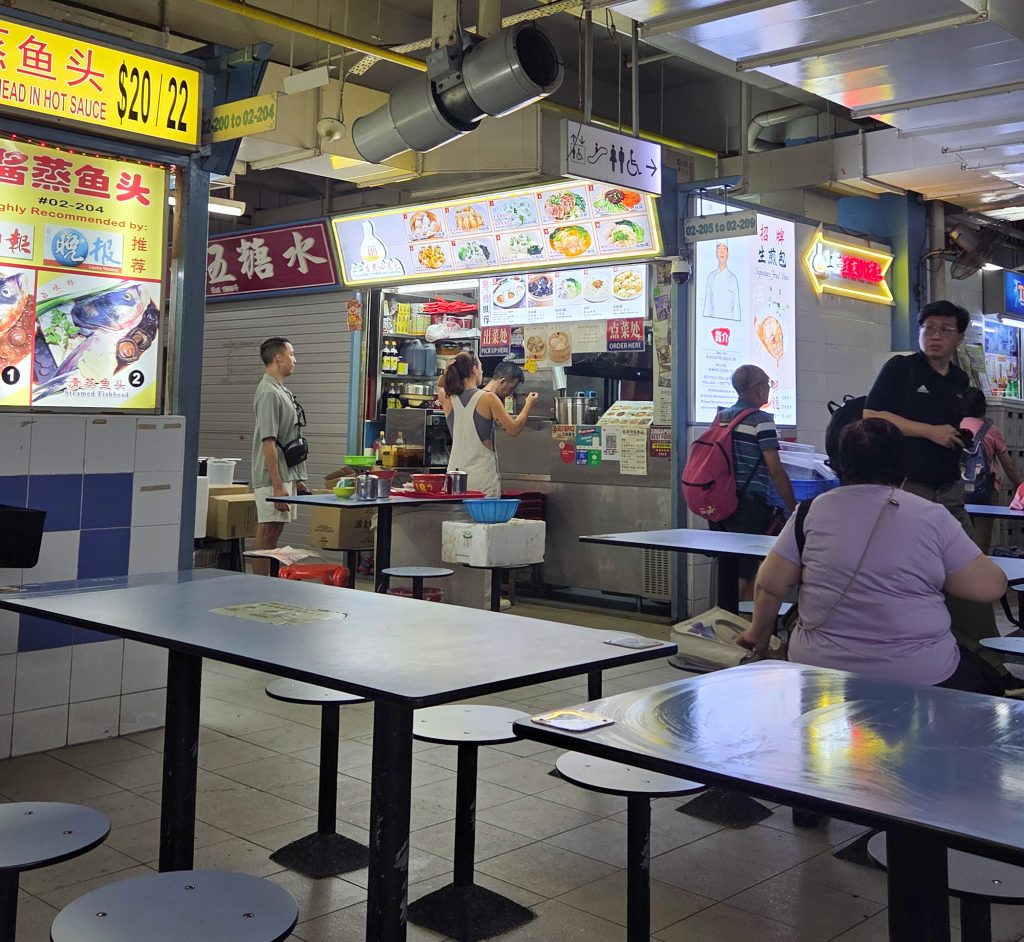
Cleanliness – Despite its massive scale and constant crowds, the centre was impressively clean. Tray return stations were obvious, tables were cleared frequently, and most stalls displayed “A” hygiene ratings. We also learned that the centre periodically closes for dedicated deep-cleaning days—a detail worth checking on the Government website before visiting.
Ease of Navigation – Chinatown Complex was the most overwhelming of the three hawker centers. With hundreds of stalls packed into one space, it took a bit of patience to get oriented. That said, numbered stalls and signage helped, and once we stopped trying to see everything at once, the chaos became part of the charm.
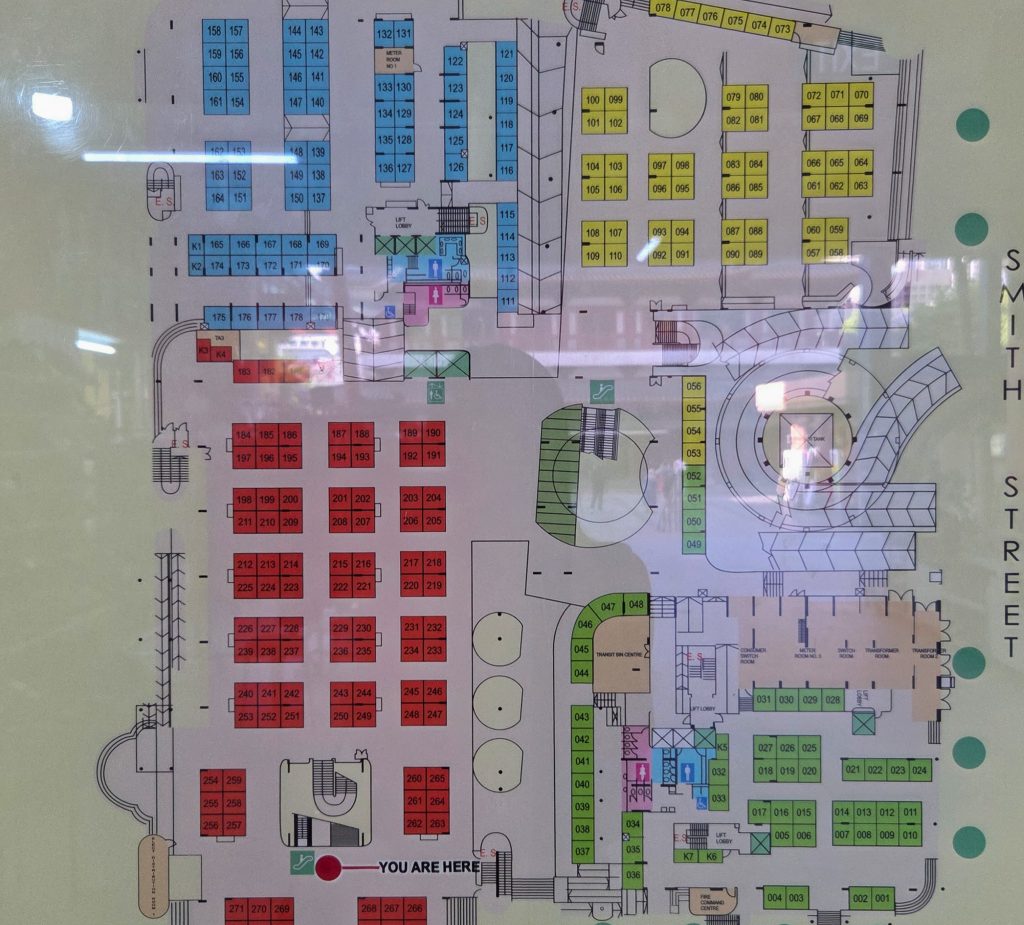
Variety of Hawker Stalls – The variety here was unmatched. Chinese dishes dominate, but Malay and Indian stalls are woven throughout, making it feel like a true cross-section of Singapore’s food scene rather than a single-theme market.
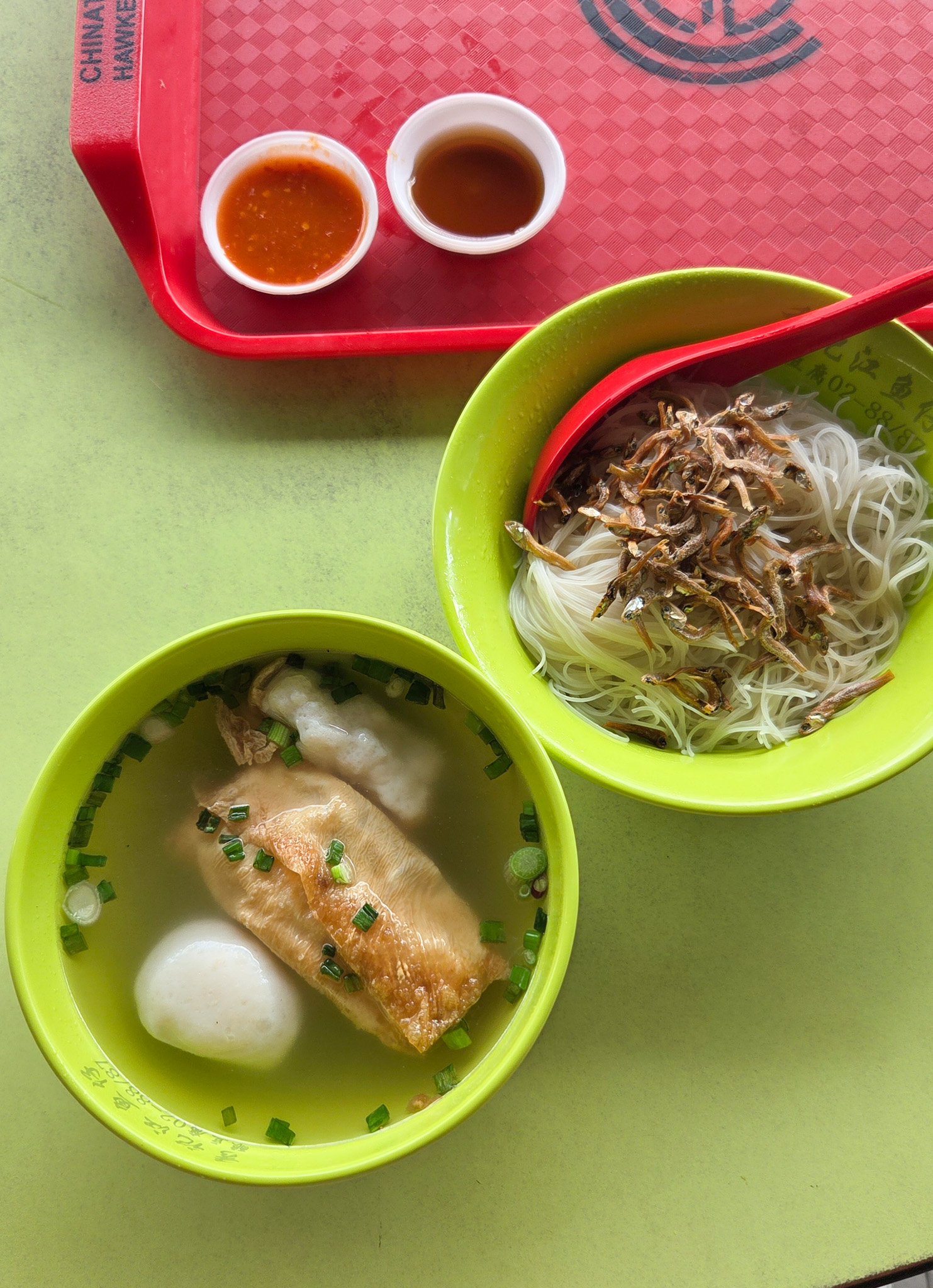
2. Hong Lim Market & Food Centre
Location – Although just a short walk from Chinatown MRT station, Hong Lim felt more tucked away, surrounded by office buildings. Visiting during lunchtime gave us a glimpse into the daily working life in Singapore.
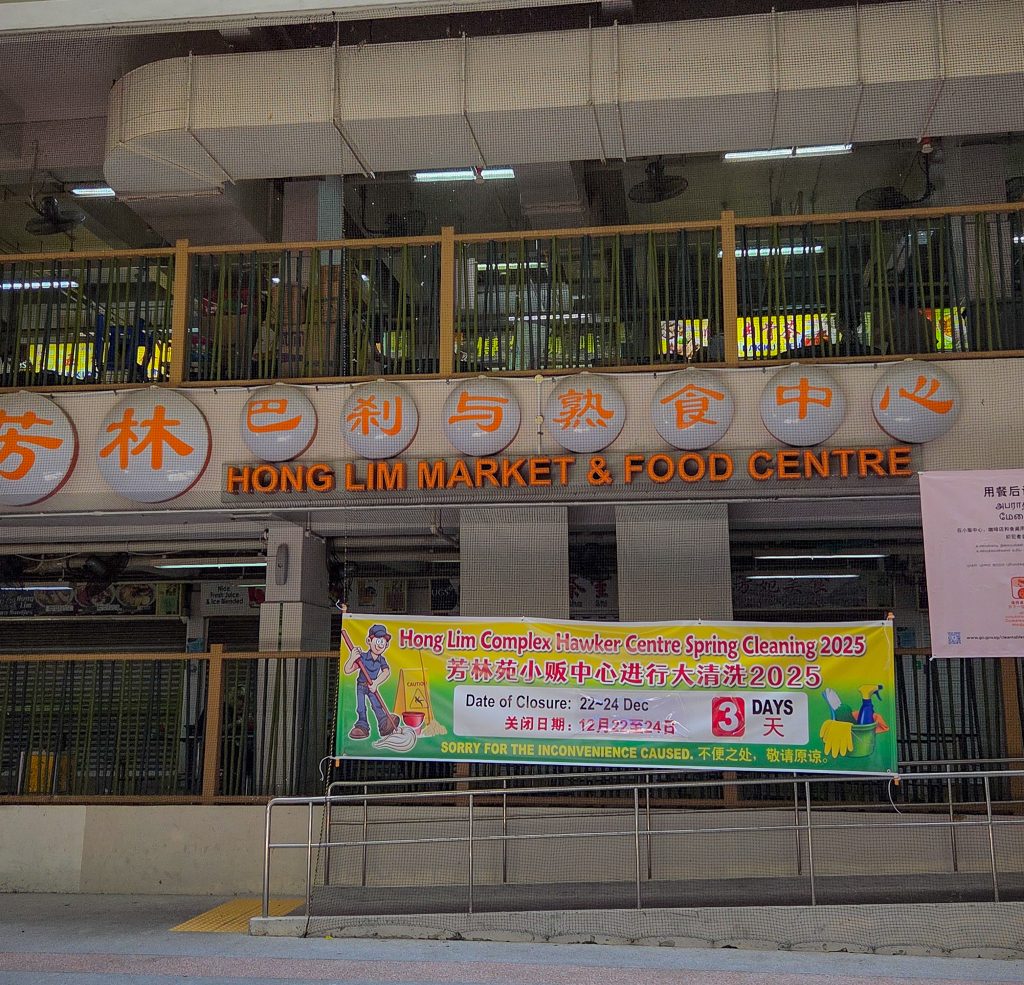
Cleanliness – Hong Lim was extremely well maintained, even during peak hours. Tables turned over quickly, and the whole place felt efficient without being rushed.
Ease of Navigation – The layout was straightforward and easy to follow. Compared to Chinatown Complex, this felt calmer and easier to navigate—ideal when we already knew what we were craving.
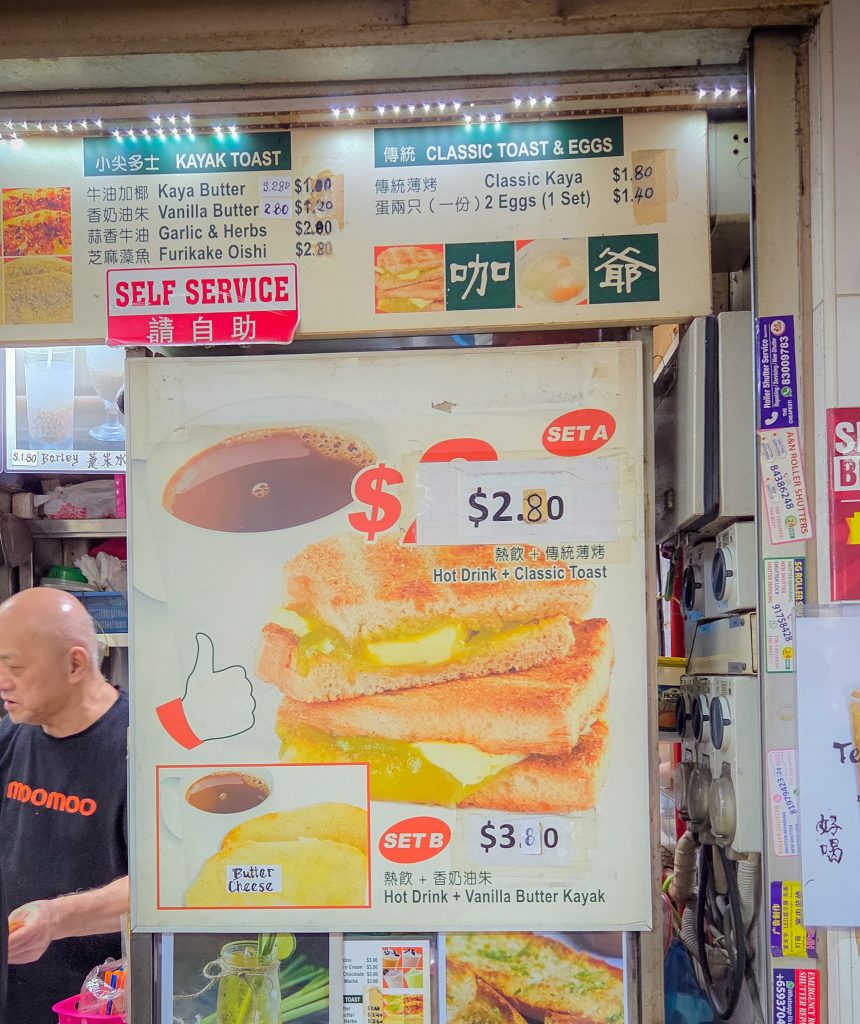
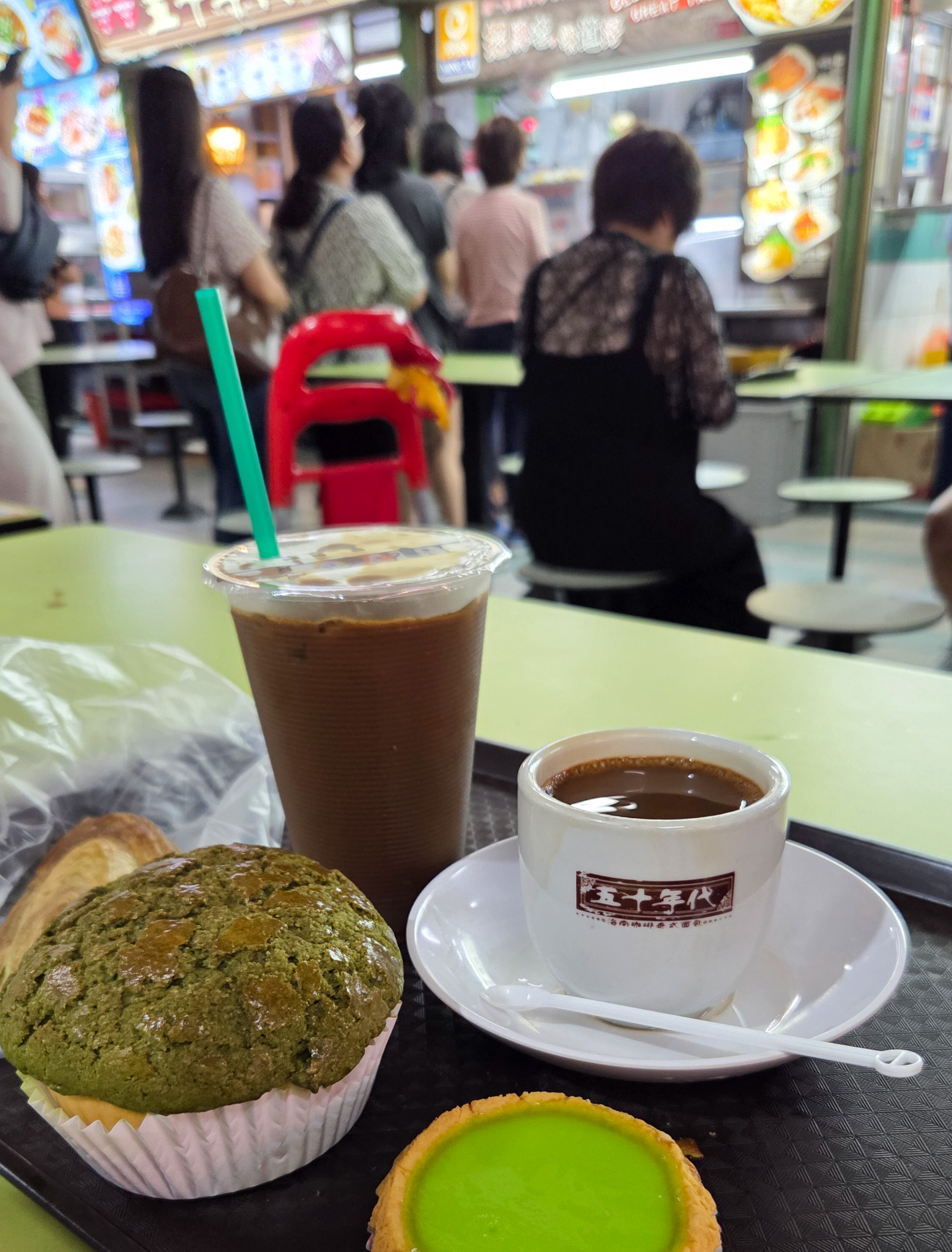
Variety of Hawker Stalls – While smaller, Hong Lim offered depth. Many stalls focus on doing one dish exceptionally well, which made it easier to commit rather than endlessly debate options. See above for one of the stalls selling Kaya Toast, a popular Singaporean breakfast.
3. Maxwell Food Centre
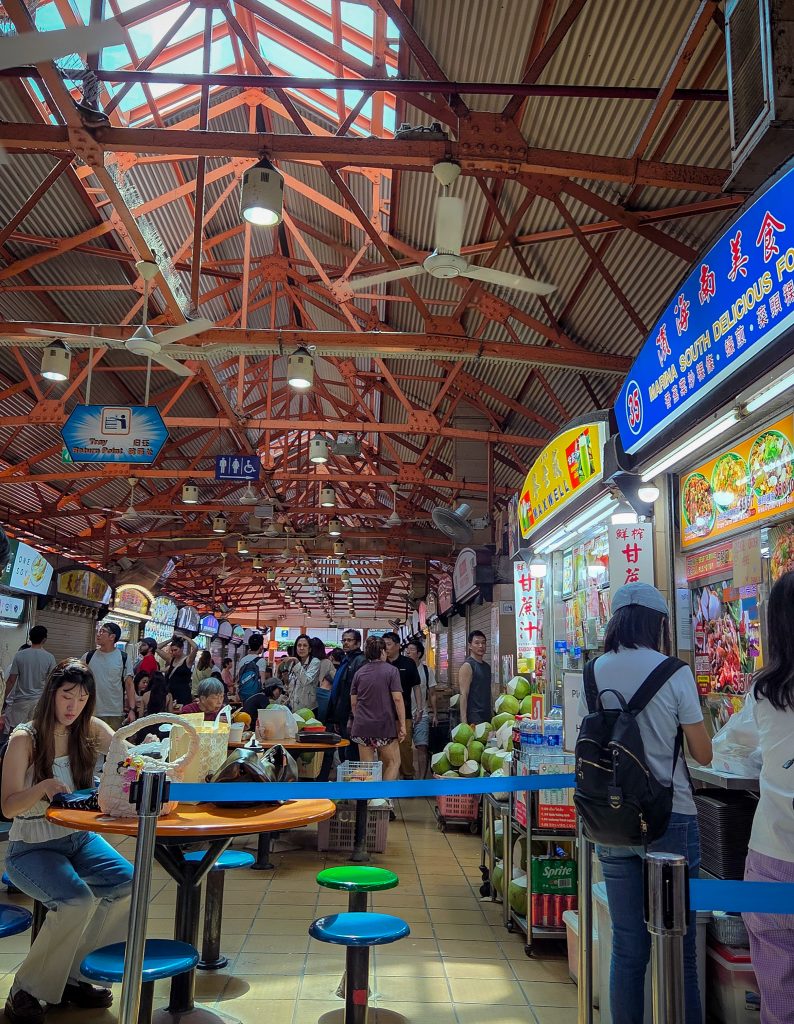
Location – Located right outside Maxwell MRT, Maxwell Hawker Center was simple to slot into a sightseeing day. Its proximity to tourist spots, like the Buddha Tooth Temple & Chinatown St. Market, made it especially convenient. To note, all three of these hawker centers are located in Chinatown and are within walking distance of each other. If you’re traveling to Singapore for food, I would highly recommend staying in Chinatown for easy access to cheap delicious food!
Cleanliness – Maxwell felt bright, open, and consistently clean. Hygiene ratings were visible, and seating areas were comfortable, even when busy.
Ease of Navigation – This was the most beginner-friendly of the three. The straight vertical row layout made it easy to scan stalls, find seating, and understand the flow without feeling lost.
Variety of Hawker Stalls – Maxwell struck a balance between famous must-tries and everyday favourites. It felt curated without being overly touristy, making it approachable for first-time visitors.
Top 3 Hawker Centers in Singapore for First Timers
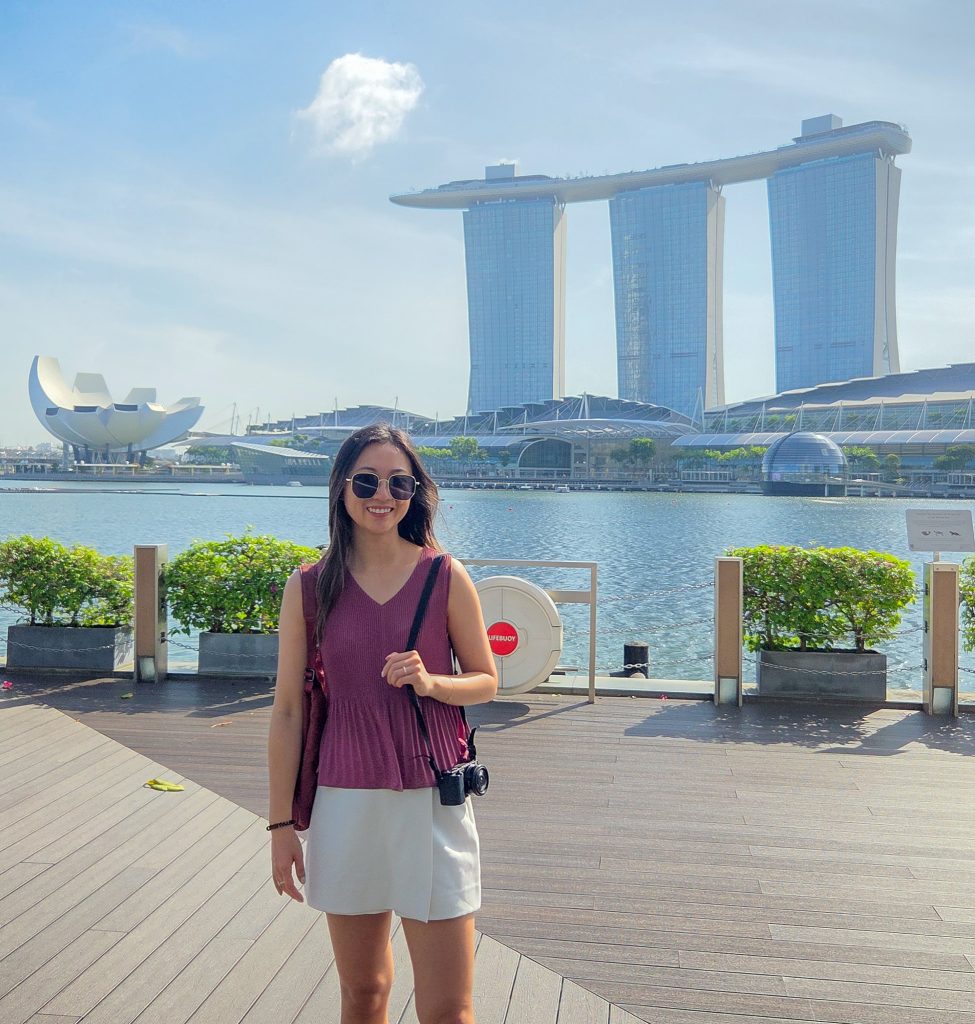
What really stood out across all three hawker centres was how effortlessly good the food was. It was fast, affordable, and deeply satisfying. You could order a bowl of noodles from one stall, grab a skewer or rice dish from another, and finish with dessert or kopi, all in the same sitting. Eating this way felt social and flexible, not formal or overly-precious.
Culturally, the mix of cuisines was impossible to ignore. Chinese, Malay, and Indian foods sit side by side, not as “fusion,” but as neighbours. This reflects Singapore’s history of migration, where different communities settled, worked, and ate together over generations. The result isn’t a blended sameness, but a beautiful mosaic of different flavours that often share the same tables.
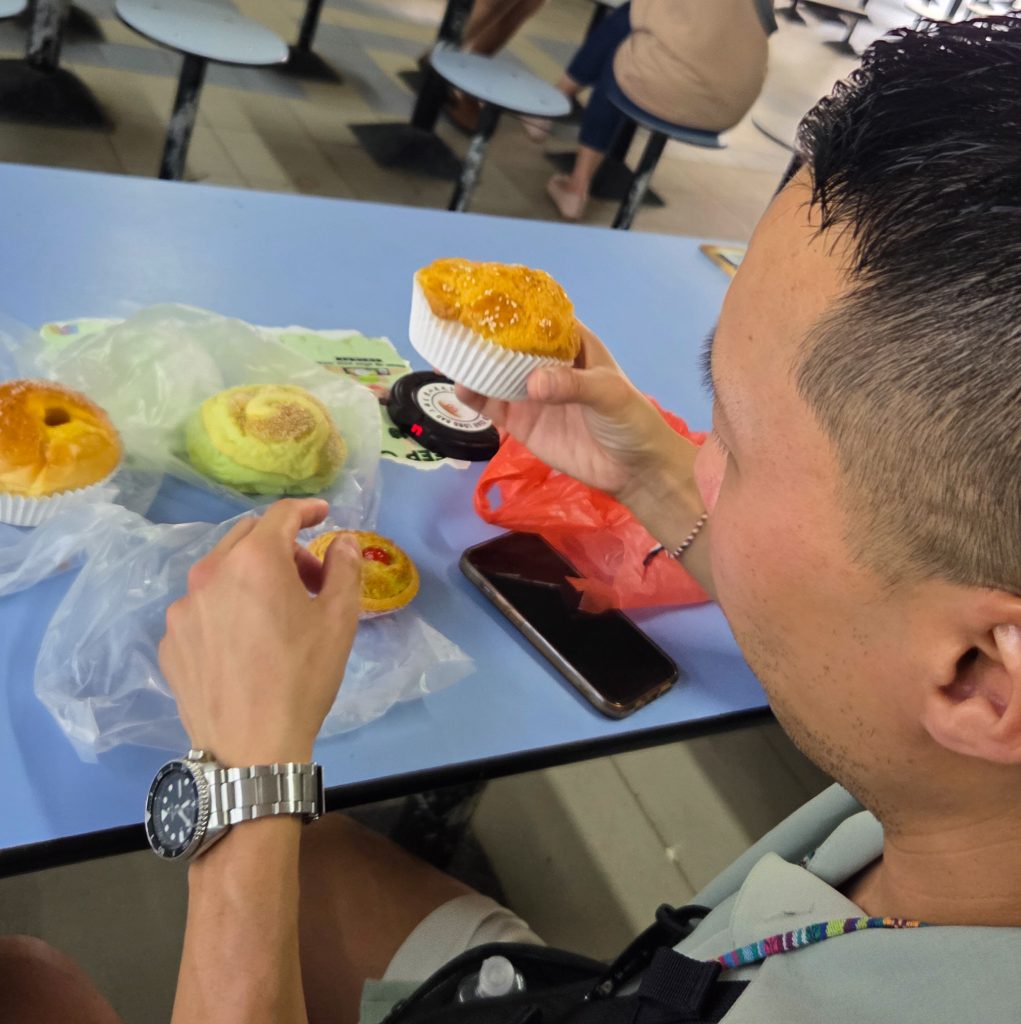
There was also something grounding about how democratic hawker centres feel. Office workers, families, elderly locals, and tourists all eat in the same space, following the same rules—queue, order, eat, return your tray. For visitors, this makes stepping into local food culture feel easy and welcoming, rather than intimidating or staged.
In just a few days, Chinatown Complex, Hong Lim, and Maxwell gave us some of our most memorable meals – not because they were fancy, but because they felt authentic, delicious, and deeply tied to everyday life in Singapore!
Love Eating During Your Travels?
Here are some other amazing cities with excellent food